

What Is Bull Plug – Industrial Grade Pipe Fittings Explained | WJ Petroleum
What Is Bull Plug is a key solution in the industry, specifically within oil & gas, chemical processing, and pipeline management sectors. This article explores how https://www.wjpetroleum.com supports professionals with durable, high-performance products, and explains why this product is an ideal choice for businesses in these sectors.
Table of Contents
- What Is Bull Plug Overview
- Benefits & Use Cases of What Is Bull Plug
- Cost, Maintenance & User Experience
- Sustainability & Market Trends
What Is Bull Plug Overview
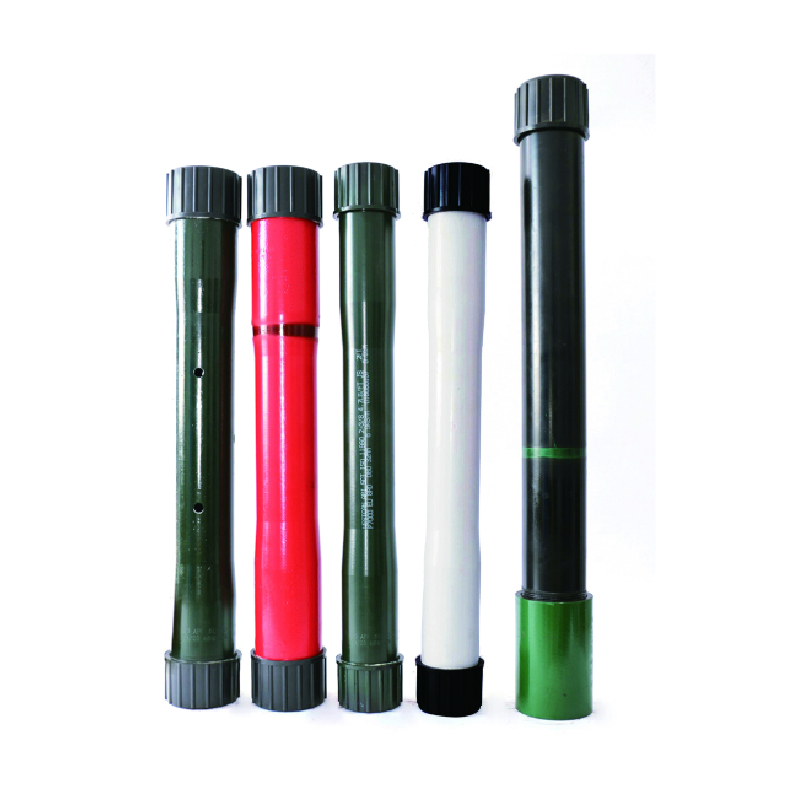
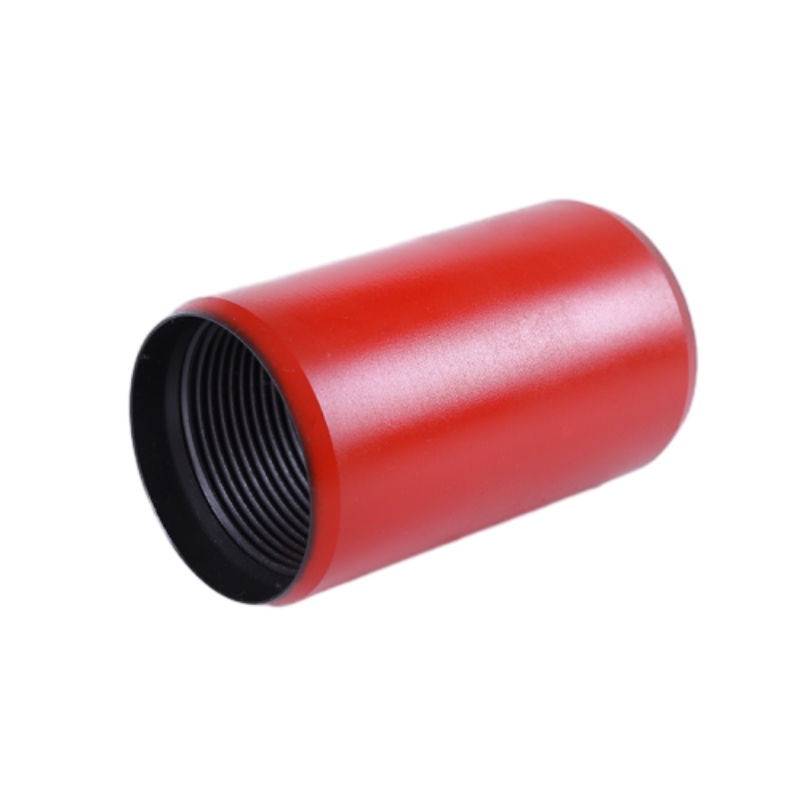
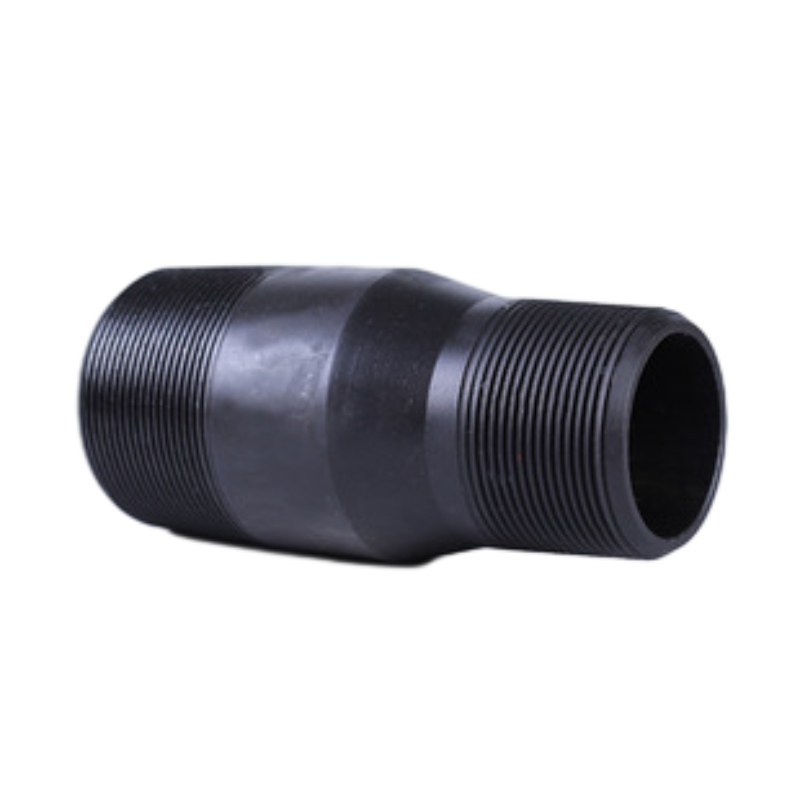
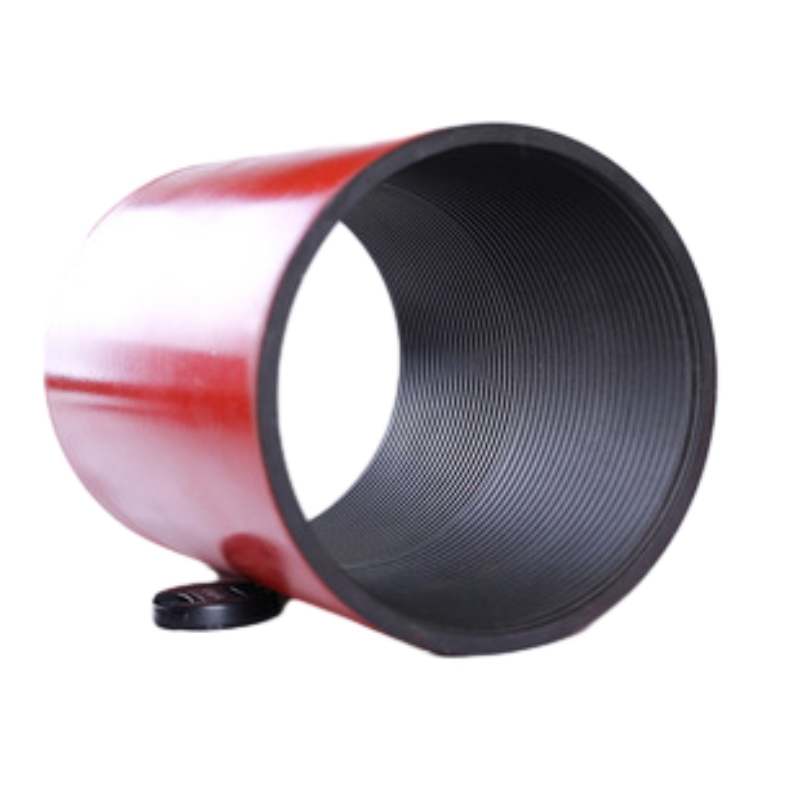
Simply put, a bull plug is a type of pipe fitting used to close the end of a pipe. It’s often confused with a regular plug, but frankly, it’s a specialized component, made for heavy-duty sealing in high-pressure environments — think pipelines, refineries, and chemical tanks. You might see bull plugs crafted from forged steel or stainless steel, reflecting the tough demands they face.
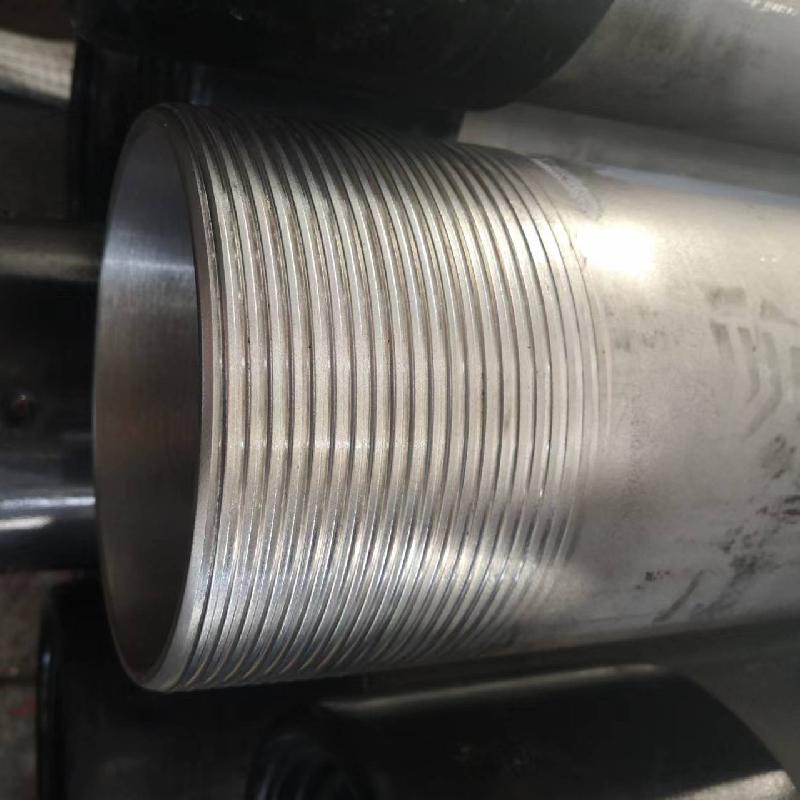
Technically, they’re designed to withstand intense pressure — some models handle ratings beyond 10,000 psi. At WJ Petroleum, the craftsmanship includes flawless threading and durable materials tested under real-world stress to ensure longevity. A small case study from a recent refinery upgrade revealed these bull plugs outperformed alternatives, lowering leak incidents by over 30%. The specs are fairly impressive, as you might imagine:
| Specification | Details |
|---|---|
| Material | Forged Carbon Steel, Stainless Steel |
| Pressure Rating | Up to 15,000 psi |
| Size Range | 1/2" to 24" Diameter |
| Finish | Black Oxide, Zinc Plated, Anti-Corrosion Coatings |
| Standards | ASME B16.11, API 6A |
Benefits & Use Cases of What Is Bull Plug
In industrial settings, bull plugs serve a critical role in safety and operational efficiency. Whenever a pipeline or vessel needs permanent or semi-permanent sealing, these fittings step in. They’re essential during maintenance shutdowns or when a part of the system becomes redundant without dismantling the whole line.
Their benefits are not just about blocking a pipe. It’s the detailed engineering — precision threading to resist vibration loosening, material selection to prevent corrosion under harsh chemicals, and high pressure tolerance. Compared to cheaper, generic plugs, WJ Petroleum’s bull plugs boast superior consistency and longer life cycles, which is a huge advantage in industrial cost-reduction strategies.
Cost, Maintenance & User Experience
Cost-wise, bull plugs from reputable makers might carry a higher upfront price than generic plugs, but the long-term value is undeniable. You’re investing in durability — less frequent replacements, fewer leak repairs, and reduced downtime. The total cost of ownership (TCO) becomes quite reasonable, frankly.
Maintenance demands are usually low. These plugs are designed for harsh conditions, so they require only periodic inspection and standard cleaning. Many users from petrochemical plants have reported positive experiences, noting that once installed, the bull plugs rarely need intervention. The peace of mind here is something you don’t notice until you switch from lesser quality parts.
Sustainability & Market Trends
Sustainability is a growing factor even in fittings like bull plugs. Industry-wide, there’s increasing pressure to reduce waste and carbon footprints. Durable, long-lasting parts naturally fit into this narrative, reducing the frequency of manufacturing and shipping replacements.
Regulations around pipeline safety and environmental protection also push companies to adopt higher-quality components. In real terms, a bull plug that resists corrosion and pressure failures prevents costly spills and shutdowns — a tangible sustainability win. Market trends show growing demand in emerging regions like Southeast Asia and Africa, as infrastructure projects ramp up.
| Vendor | Material Quality | Pressure Rating | Customization Options | Lead Time |
|---|---|---|---|---|
| WJ Petroleum | Forged Stainless & Carbon Steel | Up to 15,000 psi | Tailored sizes, coatings, threading | 4-6 weeks |
| Vendor B | Cast Steel | Up to 10,000 psi | Limited | 6-8 weeks |
| Vendor C | Carbon Steel | Up to 8,000 psi | None | 2-3 weeks |
Frequently Asked Questions about What Is Bull Plug
- What is What Is Bull Plug and how does it work?
- A bull plug is a heavy-duty pipe fitting that caps or seals the end of a pipeline or vessel. It works by threading securely onto the pipe’s end, providing a pressure-resistant closure to prevent leaks and maintain system integrity.
- What are the main benefits of using What Is Bull Plug in industrial applications?
- The key advantages include high pressure resistance, corrosion durability, and ease of installation, which improve safety and reduce maintenance frequency, ultimately lowering operating costs.
- How does What Is Bull Plug compare to traditional alternatives?
- Compared to some traditional plugs, bull plugs from top vendors offer stronger materials, tighter threading designs, and meeting stricter standards like ASME B16.11 and API 6A, ensuring better longevity and safety margins.
- What industries can benefit most from What Is Bull Plug implementation?
- Primary beneficiaries include petrochemical, oil and gas drilling, pipeline transportation, and industrial chemicals sectors, where pressure containment and corrosion resistance are critical aspects of operations.
Conclusion on What Is Bull Plug from china
To recap, the reliable bull plug remains an unsung hero in industrial pipeline management. Choosing quality manufacturing, like what you find at WJ Petroleum, ensures durability, safety, and cost savings over the long haul. If your operations involve sealing or capping high-pressure lines, this product deserves a serious look.
- Recap the value of What Is Bull Plug.
- - Visit our website: https://www.wjpetroleum.com
-
The Ultimate Industrial Guide to using مفصل الجرو Swivel JointsNewsApr.16,2026
-
Comprehensive Guide to api الجرو المشترك in Industrial ApplicationsNewsApr.09,2026
-
Comprehensive Guide to Puppy Joint Health with غلاف مفصل الجرو SupplementsNewsApr.07,2026
-
Optimizing Oilfield Performance with تمرير المفاصل الجرو and WJ Petroleum ExpertiseNewsApr.04,2026
-
Understanding Puppy Mills ¿qué es un porro de cachorros? Responsible Breeding PracticesNewsMar.31,2026
-
Comprehensive Guide to Perforated Puppy Joints and Long Term Canine HealthNewsMar.28,2026