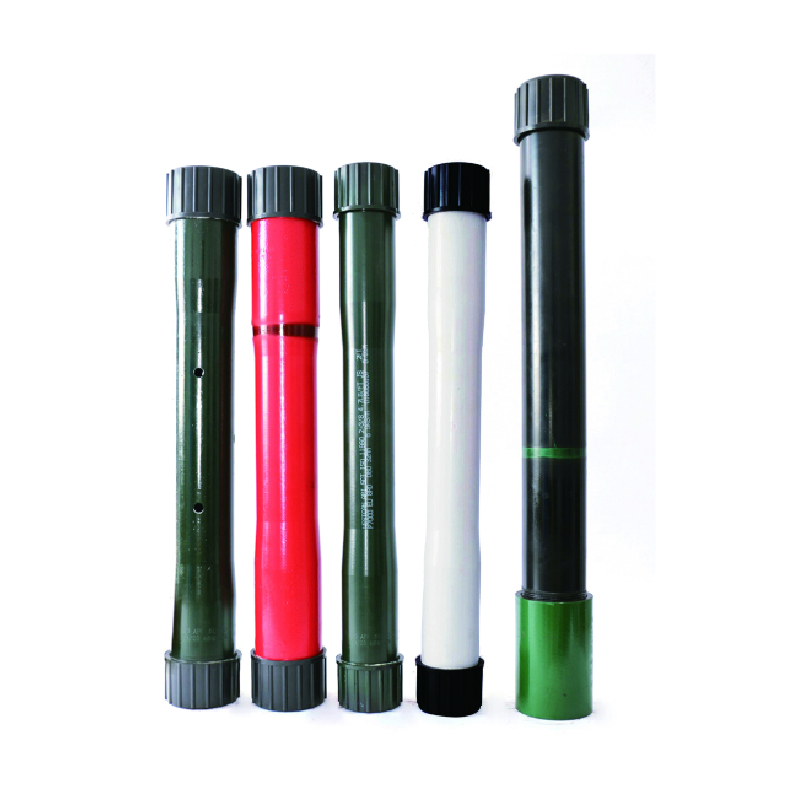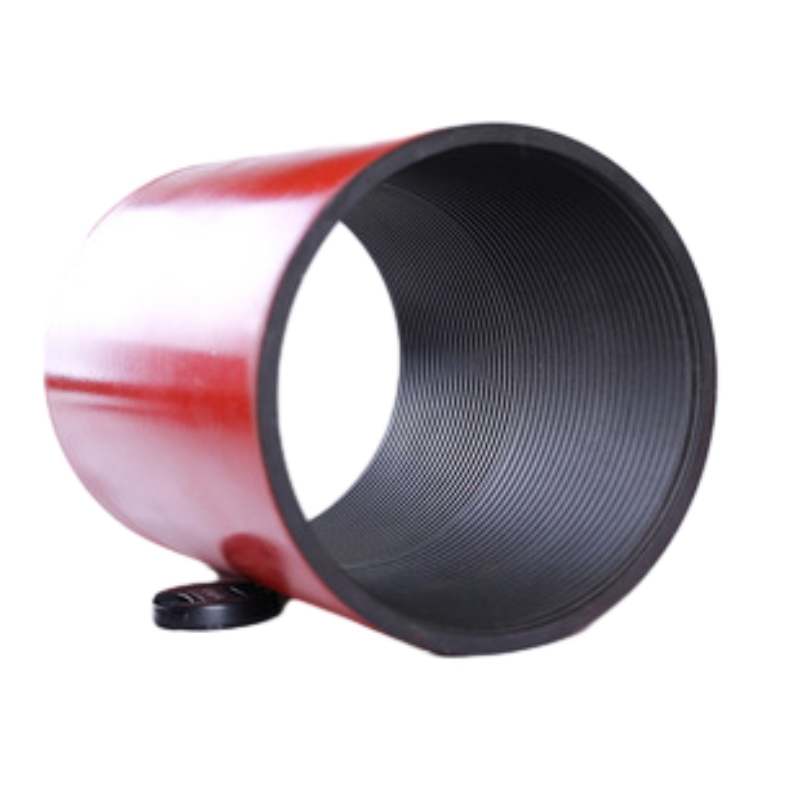


What is a Galvanized Steel Pipe Coupling? Uses, Benefits & Global Trends
Galvanized Steel Pipe Coupling: An Unsung Hero in Modern Infrastructure
It might seem like a small component, but the galvanized steel pipe coupling is one of those quietly essential pieces in the puzzle of infrastructure development. Globally, as industries push for more durable, cost-effective, and environmentally responsible materials, these couplings support everything from water systems to industrial pipelines. Understanding them provides insight into how we maintain reliable connections in countless applications, from urban developments to emergency relief setups.
Understanding the Global Importance of Galvanized Steel Pipe Couplings
The world’s infrastructure relies heavily on secure piping systems — according to the International Organization for Standardization (ISO), piping components like couplings are fundamental in ensuring safety and reliability in fluid transport networks.1 Worldwide, pipelines extend thousands of kilometers, carrying water, gas, and oil, all interconnected by pipe couplings.
The challenge? Pipes are exposed to weather, mechanical stress, and corrosive substances. The galvanized steel pipe coupling, coated with a zinc layer, resists corrosion significantly better than plain steel. This means fewer maintenance issues and longer lifespans — crucial when you consider, for example, that the World Bank estimates billions lost yearly to infrastructure degradation.2
What Exactly is a Galvanized Steel Pipe Coupling?
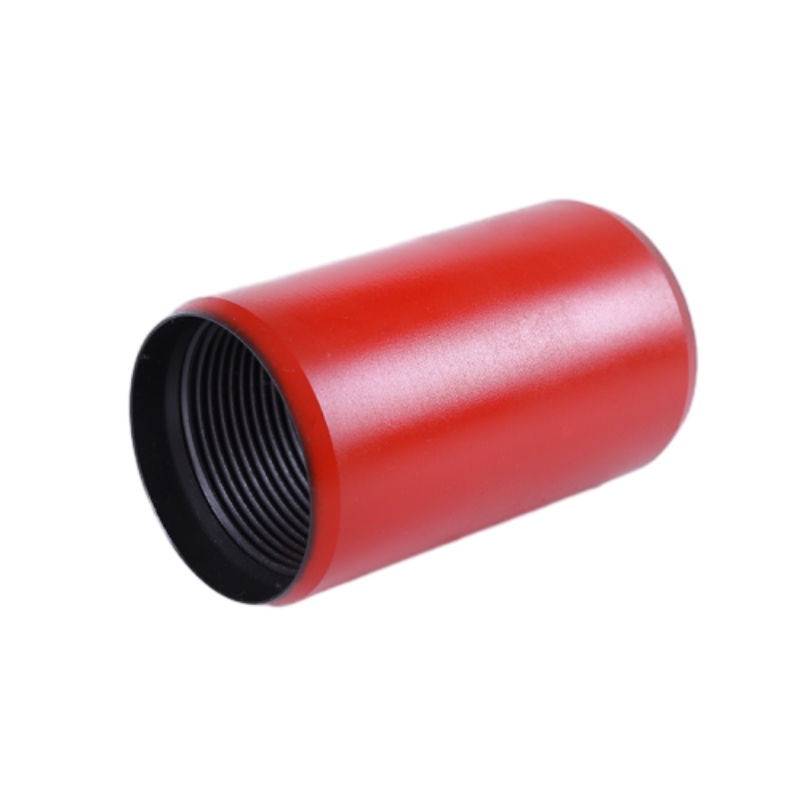
In simple terms, a pipe coupling is a short segment or fitting used to join two pipes together. When made from galvanized steel, it’s coated in a zinc layer — this galvanization protects the metal from rust and corrosion.
Why does this matter? Beyond just connecting pipes, these couplings are vital for maintaining structural integrity, especially in sectors like municipal water supplies or industrial plants where leaks can have dramatic consequences. They represent a small piece but a crucial connector in vast, complex systems.
Key Characteristics That Make Galvanized Steel Pipe Couplings Stand Out
Durability
Thanks to the galvanization process, these couplings resist corrosion, which is often the biggest enemy of pipe systems. This makes them ideal for outdoor and underground installations where moisture is constant.
Cost Efficiency
While slightly more expensive upfront than non-galvanized options, their longer lifespan reduces replacement and repair costs, making them more affordable over time.
Ease of Installation
Unlike welded or glued joints, galvanized steel couplings are often threaded or slip-on, enabling quicker and simpler assembly — a big boon on tight project schedules.
Compatibility & Scalability
They work well with a variety of piping sizes and materials, making them flexible components as systems expand or need retrofitting.
Safety & Environmental Impact
Galvanization reduces the risk of contamination in potable water lines and lowers environmental risks from rust particles entering ecosystems.
| Specification | Value / Details |
|---|---|
| Material | Carbon steel with zinc galvanization |
| Coating Thickness | 45-85 microns (varies by standard) |
| Size Range | ½ inch to 12 inches diameter |
| Thread Type | NPT (National Pipe Thread) or BSP (British Standard Pipe) |
| Operating Temperature | -45°C to 200°C |
How Are Galvanized Steel Pipe Couplings Used Around the World?
These couplings are used globally in water distribution, gas supply, and industrial piping. In Asia’s rapidly urbanizing cities, for instance, galvanized steel pipe couplings form the backbone in municipal water networks, ensuring millions have access to clean water. In the Middle East, oil and gas pipelines utilize galvanized couplings to handle harsh desert environments.
Oddly enough, these fittings also show up in humanitarian contexts — imagine post-disaster relief: rapid restoration of water infrastructure can rely on galvanized steel pipe coupling for quick and reliable fixes.
Comparing Vendors: What Should You Consider?
| Vendor | Coating Quality | Size Availability | Lead Time | Price Range |
|---|---|---|---|---|
| GlobalPipe Co. | High (85 microns) | ½" – 10" | 2 weeks | $$$ |
| SteelConnect Ltd. | Moderate (60 microns) | ¾" – 12" | 1 week | $$ |
| PipeMaster Inc. | Standard (45 microns) | ½" – 8" | 3 weeks | $ |
The Tangible and Intangible Benefits of Galvanized Steel Pipe Couplings
- Cost savings: Less downtime, fewer replacements.
- Sustainability: Zinc coatings reduce environmental contamination.
- Safety: Secure joints mean fewer leaks and hazards.
- Trust: Reliability breeds confidence among engineers and users alike.
- Innovation: Adaptability to emerging piping needs and rugged environments.
Emerging Trends: Where Are Galvanized Steel Pipe Couplings Headed?
The industry is evolving — green galvanization methods reduce toxic byproducts during coating.3 Digital tracking on components, part of the broader "Industry 4.0" movement, helps maintenance teams monitor corrosion risks remotely.
There’s also interest in hybrid materials combining galvanized steel with polymer liners to increase lifespan further in extreme conditions — likely to become popular in offshore or underground infrastructure.
Challenges and How Experts Are Tackling Them
Sure, galvanized couplings aren't perfect. Over time, even zinc coatings wear. In highly acidic or saltwater environments, corrosion can accelerate. But engineers employ smart coating restorations and protective wraps.
Selection mistakes — like using the wrong pipe size or thread type — cause failures too, which is why training and choosing credible vendors (galvanized steel pipe coupling) matter enormously.
FAQ: Common Questions on Galvanized Steel Pipe Couplings
-
Q: How do galvanized steel pipe couplings compare to PVC couplings?
A: Galvanized steel couplings offer superior strength and temperature resistance, ideal for industrial and high-pressure uses. PVC is lighter and corrosion-resistant but less durable under heat or impact. -
Q: Can galvanized steel pipe couplings be used in drinking water systems?
A: Absolutely. The zinc coating prevents contamination and corrosion, making them suitable for potable water pipelines when installed properly. -
Q: What maintenance do galvanized couplings require?
A: Minimal maintenance is needed. Periodic inspections for coating wear and integrity help. In harsh environments, additional protective coatings or wraps may be applied. -
Q: Are there international standards for these couplings?
A: Yes, ISO and ASTM standards regulate dimensions and galvanization quality to ensure consistent performance worldwide.
Wrapping It Up: Why Invest in Quality Galvanized Steel Pipe Couplings?
In real terms, these couplings might not make headlines, but they keep water flowing, gas moving, and industries humming efficiently. Their durability, cost-effectiveness, and adaptability support the backbone of modern infrastructure — in cities, factories, and even disaster zones.
Curious to explore reliable solutions? Visit https://www.wjpetroleum.com for quality galvanized steel pipe coupling products that meet international standards and suit a range of applications.
A small part, yes — but often the difference between a leak and lasting strength.
References
- International Organization for Standardization (ISO), “Pipes and fittings - Standards Overview,” 2023.
- World Bank, “Infrastructure Investment and Maintenance,” 2022.
- Journal of Sustainable Materials, “Advances in Green Galvanization Techniques,” 2023.
-
The Ultimate Industrial Guide to using مفصل الجرو Swivel JointsNewsApr.16,2026
-
Comprehensive Guide to api الجرو المشترك in Industrial ApplicationsNewsApr.09,2026
-
Comprehensive Guide to Puppy Joint Health with غلاف مفصل الجرو SupplementsNewsApr.07,2026
-
Optimizing Oilfield Performance with تمرير المفاصل الجرو and WJ Petroleum ExpertiseNewsApr.04,2026
-
Understanding Puppy Mills ¿qué es un porro de cachorros? Responsible Breeding PracticesNewsMar.31,2026
-
Comprehensive Guide to Perforated Puppy Joints and Long Term Canine HealthNewsMar.28,2026